(This article was originally published by http://www.article15.cd)
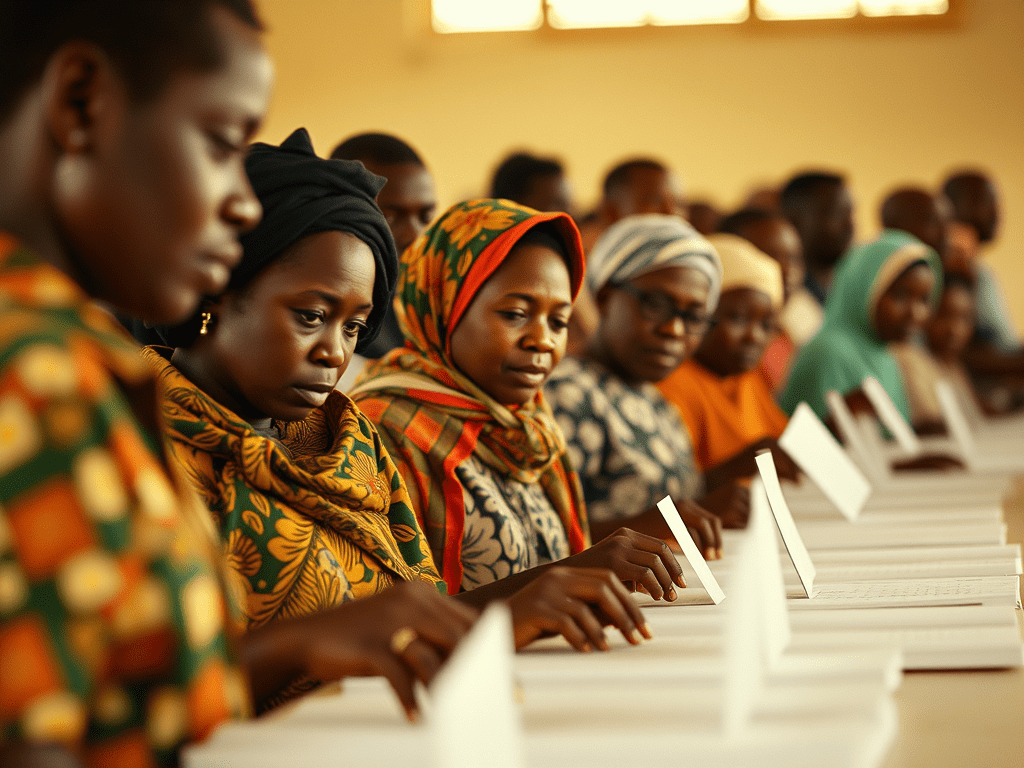
On the 20th of December 2023, we, the Congolese people went to the poll for our fourth electoral cycle in our democratic history. Before the elections, cynicism was already at an all-time high (specifically from the opposition party and the catholic church) and expectations were set for a failed election. While the elections faced some significant challenges, especially when it came to logistics, which led to the vote being extended beyond its due date in a few regions, overall, all observers said that the elections were largely free and fair. The catholic church observer (CENCO) indicated that 84.1% of voting polls conformed with the electoral law. The Electoral Commission (CENI) stated on the first day over 70% of the voting bureau had functioned.
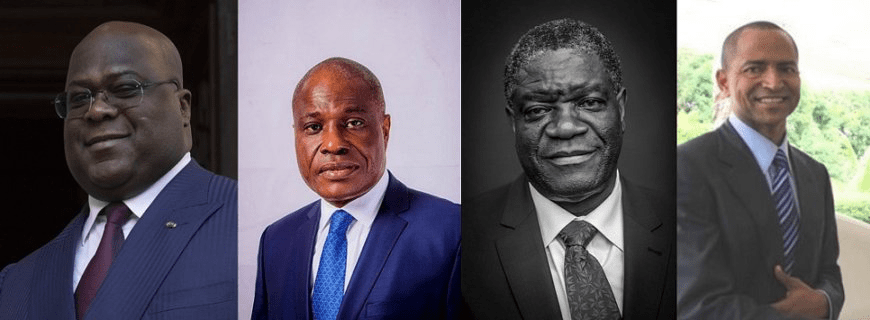
The few bad electoral incidents were amplified by the opposition parties presenting the elections as chaotic and using this as their foothold to protest the elections and indirectly its results. The opposition drove the narrative that elections were chaotic and now arguing that they should be re-organized. Surprisingly, the various disunited opposition factions contested the elections before the results were even produced. But even more surprising is that their ground for contestation is not with the results themselves so far, but rather with the electoral process alone. But the question here that must be raised is ‘whether the few incidents of chaos during the elections impacted the results significantly enough to justify a re-do?’ But that is a question to which the various opposition groups are refusing to answer or bring evidence to the table. The tension rose further as the electoral results began to flow in and the incumbent candidate -Felix Tshisekedi- as of yesterday is leading with 77%, followed by Moise Katumbi with 17%, then Fayulu with 3% and the rest is spread between the remaining 23 candidates. This wide gap bolstered the opposition’s claim that there has been electoral fraud and they have called for protests around the country. But when looking at factors on the ground, a wide lead by Felix Tshisekedi is easily justified for many reasons.
A disunited opposition
The opposition’s failure to unite around a joint candidacy gave the incumbent the upper hand. During the campaign, the various opposition candidates fostered further divides as they exchanged harsh rhetoric against each other. A meeting was organised in Pretoria by the NPO, In Transformation Initiative for that purpose but failed to materialise, as well as created further distrust among the opposition.
Following the meeting, Moise Katumbi’s team falsely claimed that he was chosen as the joint candidate of the opposition, which other big profiles such as Martin Fayulu and Nobel prize winner Dennis Mukwege categorically spoke against what they perceived as manipulation, then leading to further fragmentation of the opposition. The opposition was asked by the people to act above their ego and personal interests and unite behind a single candidate, yet rejected this. Now they have suddenly found a reason to unite in protest. In fashionable response, the Congolese people have raised this hypocrisy and are returning the favour by rejecting the opposition’s call for a strike. While a fragmented opposition played a crucial role in increasing the incumbent winning margin, it remains unlikely that they could win had they filed for a joint candidacy. At best, they would have significantly reduced the margin of the incumbent candidate and this is for various simple reasons. There are 3 notable opposition leaders in this race.
Firstly, Moise Katumbi who is currently second in the poll and mired in various controversies that his campaign has failed to control. I wrote extensively on this here, but they can be briefly resumed as follows: He is perceived as a puppet of Kagame and has too strong of ties to Kigali; The recent discovery of his Zambian nationality, which cemented the perception that he is a foreign-backed candidate; and his inability to separate himself from his pro-secessionist ‘friends’ rhetoric’s within his party, which does not play well at the national level. And these are just a few of them.
Secondly, Fayulu who presents a better profile than Katumbi is just not as popular as he was. His 2018 candidacy was backed by the MLC (now part of the governing coalition) and Ensemble (Katumbi’s party). The latter provided the financial backing, and the former the ground support as well as lent him a popularity that Fayulu never had under his party Ecidé. But the loan has been called back and this carpet has been swept under his feet and he is aware of it. It is for this reason that Fayulu is not running under Ecidé, his political party, but rather under Lamuka (a vapid shelf of itself) to project the façade of a strength that is no longer present.
Lastly, the Nobel prize winner Dr. Dennis Mukwege, whose candidacy was nothing short of an anti-climax. The country could not have asked for a better profile than the Doctor, nor imagine getting one. He is the closest thing to a Saint for the Congolese people. His campaign team were handed a golden goose but failed to extract the gold out of it. Never in the history of campaigning such great potential has gone so terribly exploited. His candidacy never reached the height of the potential expected of him, nor took off for that matter. His campaign manager even stated that they simply thought that ‘all he had to do was to present himself for election and people would vote for him’. Even Jesus Christ had to campaign for his cause, but the good doctor’s team thought he was exempted from it. I wrote in the past about what made him different from all the other candidates, available here and how his candidacy should have been marketed. The Dr simply suffered from a terrible campaigning team and their miscalculation.
Overall, the opposition failed because they overestimated themselves and underestimated the governing coalition. Considering that the UDPS alone has been surviving as a party for 41 years (the bulk of it in opposition), the MLC for 20 years (the bulk of it in opposition) and the UNC for 13 years you would have expected the opposition to rise to the challenge. Katumbi’s party which has existed for only 4 years and has more of a regional foothold in the Katanga region, allied itself with weak parties with no proven track record in elections (namely Sessanga and Kikuni’s party). Yet, expected to win against a coalition that regrouped the oldest and most experienced parties in the country. What could have been a historical challenge, turned out to be an anti-climax of an election, it is no wonder the voter turnout is so low. Rather than attempting to ferment trouble, the opposition should accept its fate and do better next time. The country is facing more important problems that need to be dealt with promptly, specifically the resurgence of the M23 in the east and other threats. As such, the opposition’s desire to hijack the nation and force us into post-election contestation caused by their failure is an unwelcome distraction and a threat to national security at this point.
 Nathan Mukoma
Leave a comment